
Supplying the edge of the map


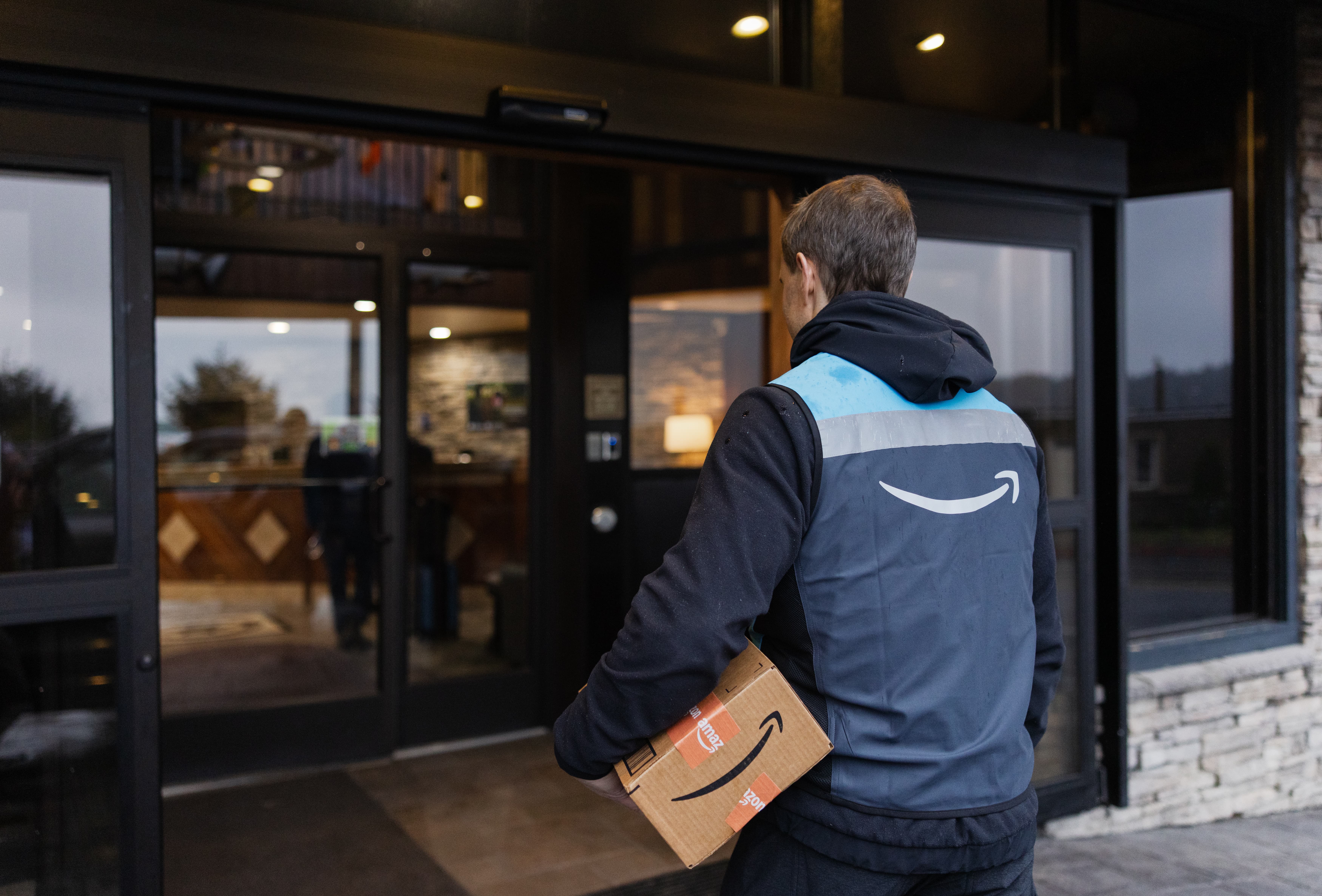
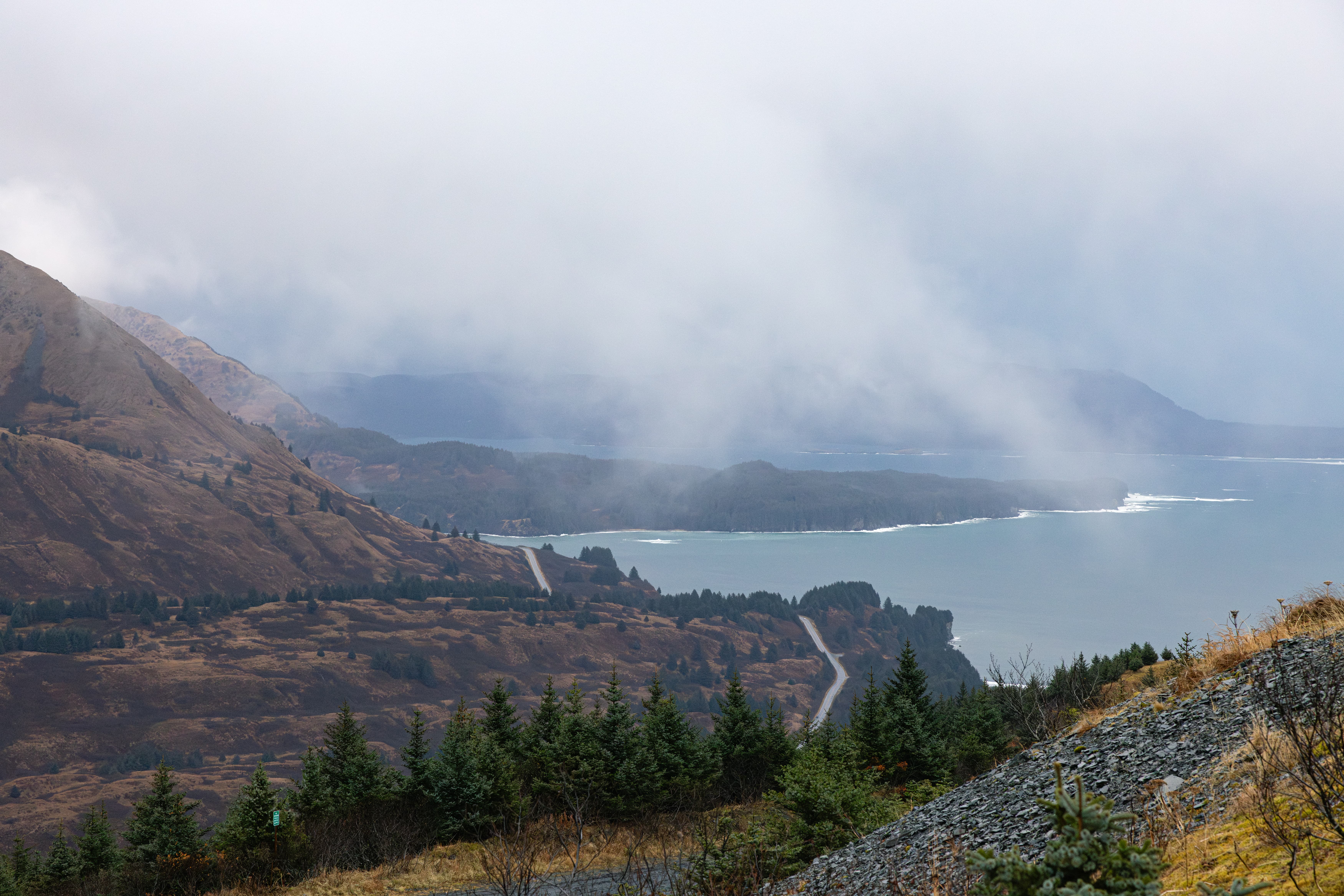
Kodiak Island, Alaska – When most people picture supply chains, they imagine the highways, warehouses, and ports that crisscross the continental United States. Few imagine an island 250 miles south of Anchorage—reachable only by plane or ferry—where rough seas, snow, and fog can stall shipments for days.
Yet this is where the Best Western Kodiak Inn & Convention Center, perched on Alaska’s rugged Emerald Isle, operates year-round to serve travelers, contractors, Coast Guard personnel, and locals alike.
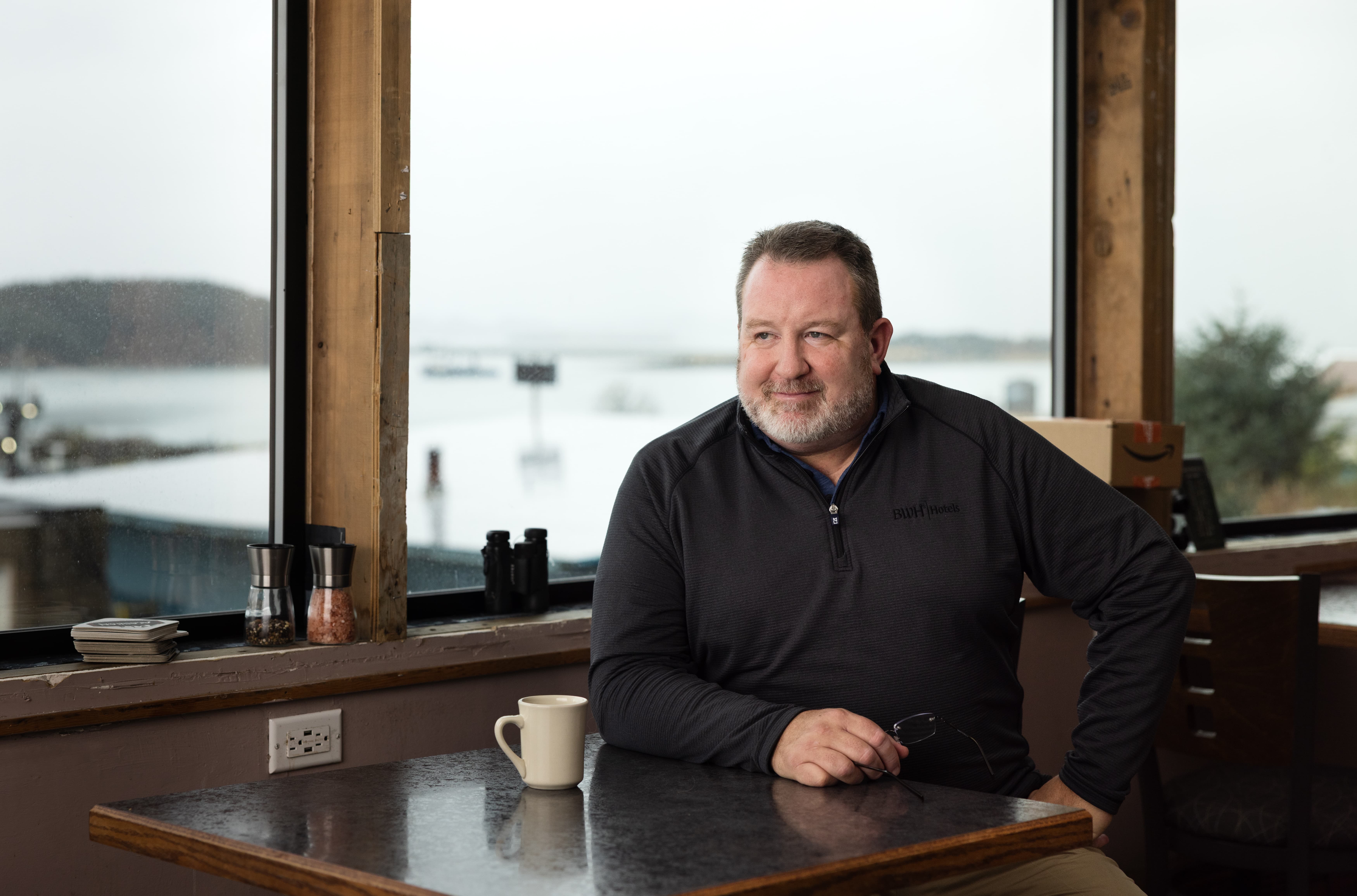
“You can’t get much more remote than Kodiak Island,” says Mark Kerber (pictured below), regional service manager for Best Western’s District II, which spans far-off locations across Alaska, Idaho, Montana, Oregon, and Washington. “And the further you get out to a place like Kodiak, a lot of things can go wrong in trying to deliver for guests on a nightly basis.”
Enter Amazon Business.
In a few short years, Amazon’s B2B solution has become essential to the hotel’s daily rhythm. What started as a convenient ordering option has evolved into what Kerber calls “a true strategic partnership.”
Amazon Business is designed to combine the selection, convenience, and speed customers know from Amazon with tools designed specifically for business purchasing—features like multi-user accounts, approval workflows, analytics, and business-only pricing that help organizations save time and money.
On Kodiak Island, that simplicity translates into something far more practical—steady operations in a place where every delivery counts.

Amazon helps keep operations running on Kodiak Island.
An island where logistics meet nature
Alaska is vast—more than twice the size of Texas—and sparsely populated, with barely one person per square mile. Its beauty comes with logistical challenges that would test any supply chain professional. Deliveries that take two days in the lower 48 can stretch into weeks here, particularly in rural areas or on remote islands.
But, at least on Kodiak, Amazon Business has helped bridge the gap. Backed by Amazon’s nationwide logistics network and anchored by the company’s Anchorage delivery station, Best Western staff says that Amazon Business has provided fast, reliable delivery in one of the most challenging environments in the country.
Even during peak fishing season or heavy winter storms, Kerber says his team can adjust orders quickly—something that wasn’t possible with traditional suppliers.
“We know that our hotels are going to get the right product at the right price, delivered on time,” he says. “We don’t have to worry about if there’s any kind of break in our supply chain. That’s one of the best things about Amazon Business.”
A strategic relationship in business buying
Kerber says the Inn’s experience reflects a larger shift in how properties across the region manage purchasing. What once required juggling multiple suppliers, phone orders, and unpredictable lead times has been replaced with a single, centralized procurement solution.
“Everything up here is so dependent on the barge system, and if the barge is going to be late or a month out, we are now able to make smarter decisions with Amazon Business’ digital system. You can track your packages and know exactly where they are,” he adds.
Kerber’s regional team now manages purchasing policies, tracks spend, and identifies trends across properties. They can see, for example, how much each location spends on housekeeping supplies or maintenance equipment, and quickly flag when usage patterns shift. Features like Guided Buying—which steers employees toward preferred products and suppliers—and Spend Visibility—which provides detailed analytics on purchasing patterns—make it easy to direct teams and monitor performance in real time.
Brenda Spoonemore, vice president at Amazon Business, says that capability is at the core of Amazon Business’ mission. “We’re focused on helping organizations simplify business buying and operate more efficiently. By giving customers better visibility into what they buy, where they buy it, and how they spend, we’re helping them make smarter decisions that strengthen their operations over time.”
Business buying that reaches where roads don’t
Running a full-service hotel on Kodiak Island requires both precision and foresight. Just about every item travels through a long chain of air, sea, and ground transport before it reaches the property. Staying stocked here isn’t about stockpiling; it’s about planning with confidence in a place where weather and distance can shift the schedule overnight.
Even simple items like lightbulbs or cleaning supplies can take days to arrive, so Kerber’s team relies on Amazon Business’ tracking and reorder tools to anticipate needs weeks in advance.
Predictable deliveries and real-time tracking have helped Best Western staff organize workloads more efficiently and keep critical departments—like housekeeping, maintenance, and food service—running without interruption. It also reduces stress for the team, who no longer have to improvise around delayed shipments or limited supplier options.
“Having that stability changes how the hotel can operate,” Spoonemore says. “Their staff can do their jobs without worrying about whether something will arrive. It makes everything smoother.”
“Reliability doesn’t just save time—it builds trust,” she continues. “When organizations know their supplies will arrive, they can focus on delivering for their customers. That’s where we want to make the biggest difference.”
A model for resilient business buying
For Best Western, the collaboration in Kodiak represents more than a logistics success—it’s a glimpse into how technology and collaboration can redefine what’s possible for organizations operating at the edges of traditional supply chains. What began as a solution to complex shipping timelines has evolved into a model of how smart business buying can drive operational excellence.
Across the region, Kerber says that shift is changing how properties think about business buying altogether. “It’s not just about getting the right products—it’s about how quickly and efficiently we can respond when something changes,” he explains.
Spoonemore agrees that Kodiak is emblematic of a larger transformation. “Resilience today means more than surviving supply chain challenges—it means having systems that adapt with you. That’s what we’re building through Amazon Business: tools and infrastructure that give organizations control and confidence, no matter their size or location.”
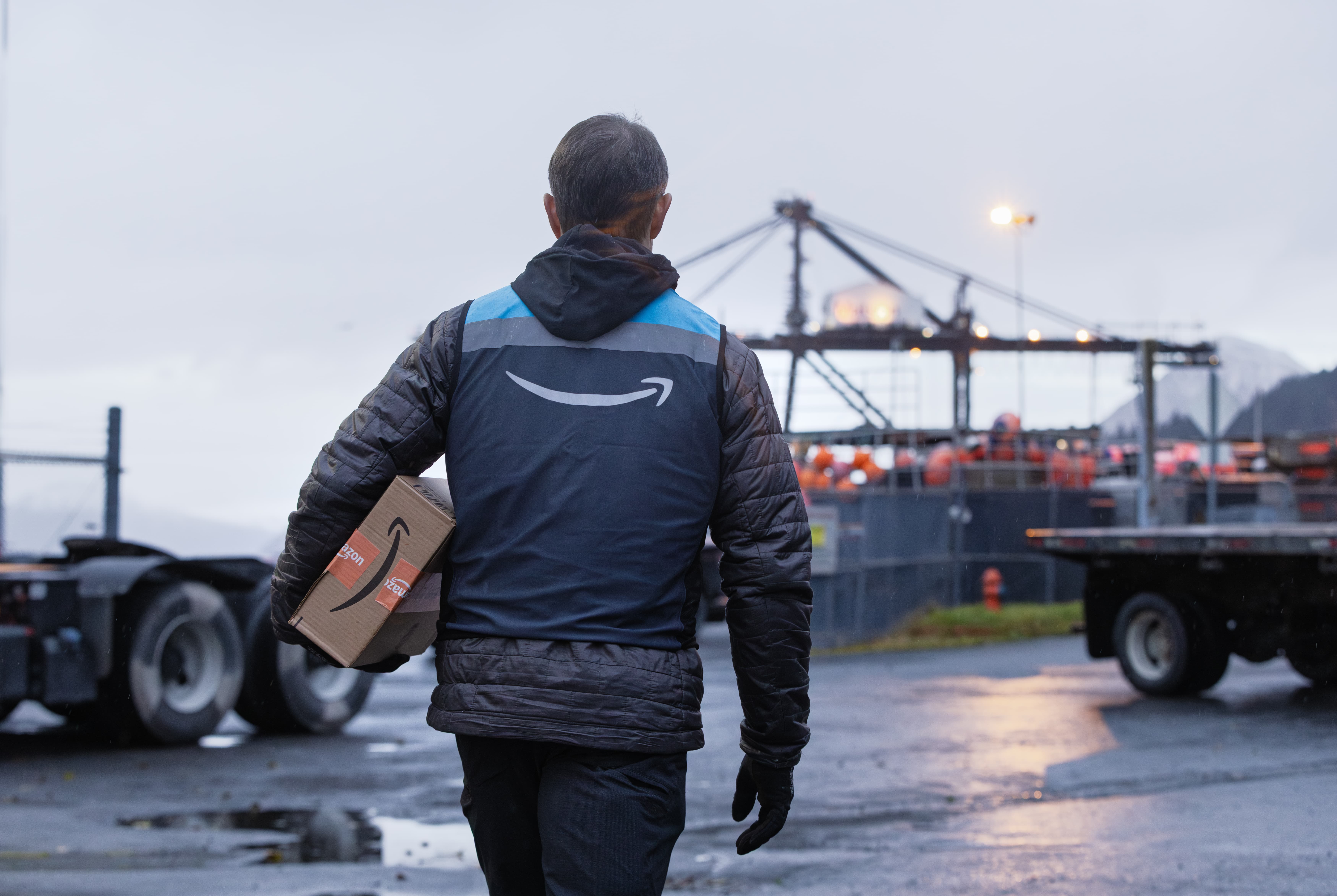
For the Best Western Kodiak Inn, that adaptability has become a competitive advantage—and for other businesses operating in demanding environments, a signal of what’s now possible when business buying, logistics, and technology align.
A new era in business buying
Over the past decade, Amazon Business has grown into a B2B buying solution used by more than 11 million organizations worldwide. This evolution, says Spoonemore, reflects how business purchasing itself is changing. “Business buying used to be about finding suppliers and managing transactions,” she explains. “Now it’s about using data and technology to make better decisions. Organizations want speed, transparency, and control—and that’s where we’re focused.”
At its core, Amazon Business seeks to combine scale with simplicity. But for Spoonemore, the value goes beyond efficiency. “We meet businesses where they are. For Best Western Kodiak, that meant a remote island with about one bear per square mile,” she says. “But that’s the point—Amazon Business gives every customer the same access, insight, and dependability, no matter how far off the map they are.”
That confidence resonates deeply in a place as unpredictable as Kodiak. For Kerber and his team, the ability to operate with consistency and calm is transformative—not because it eliminates the challenges of island life, but because it allows them to focus on what really matters.
“Some people might call it the middle of nowhere or the edge of the frontier, but for me, the draw is the wonderful community in Kodiak. We’re proud to be a part of it.”
Originally published in Inbound Logistics
Was this helpful?




 United States
 India
India United Kingdom
 France
 Germany
 Spain
Spain Italy
Italy Canada
 Japan
Japan Mexico
 Australia


