
How strategic sourcing platforms bring control and visibility to procurement


Procurement teams often need to balance multiple competing priorities, ranging from building supplier relationships and tightening budgets to meeting new risk expectations and keeping buyers compliant. But they often wonder how they can go from chasing these priorities to proactively guiding purchasing.
Strategic sourcing platforms are one way to replace fragmented, ad hoc buying with a unified, data-driven approach.
Read on to learn what a strategic sourcing platform is, what features are most important, and how to select the right one for your organization. The goal is to help you build a sourcing strategy that scales with your organization, strengthens compliance—and still lets your buyers move quickly.
What is a strategic sourcing platform?
A strategic sourcing platform is a connected set of tools that lets you manage suppliers, contracts, and spend in one place instead of across spreadsheets, email threads, and standalone systems. It also helps you move from tactical purchasing to proactive, data-informed sourcing while supporting broader spend management across the organization.
In practice, a strategic sourcing platform typically brings together these aspects:
Supplier management to onboard, qualify, monitor, and evaluate suppliers over time
Contract lifecycle management to negotiate, approve, store, and renew agreements in a consistent way
Spend analysis and reporting to see who’s buying what, from whom, and at what price
Guided buying and approval workflows so day-to-day purchasing follows your policies by default
These capabilities target the challenges you face every day, like shadow spend, limited visibility into non-PO purchases, and supply chain efficiency. Strategic sourcing solutions can also help you address issues like manual approvals and buyers who bypass the process to get what they need quickly. Instead of trying to fix each pain point with multiple tools or policies, a strategic sourcing platform connects them into a single environment.
5 key features of strategic sourcing platforms
According to Future Market Insights, Inc., the sourcing and procurement market for retail is experiencing increased supply chain complexity and demand volatility, as well as global logistics disruptions and SRP requirements. But a strategic sourcing platform can help organizations overcome these four challenges.
The right strategic sourcing platform, however, goes beyond basic purchasing or e-commerce tools to instead give you levers to improve visibility, compliance, and efficiency without adding unnecessary friction for end users.
Here are five key features to look out for when choosing a platform:
1. Supplier management
Supplier management capabilities help you centralize and standardize how you work with vendors across their lifecycle.
Key elements:
Workflows to support consistent supplier onboarding, with configurable forms, approvals, and data collection (like tax IDs, certifications, and banking details)
Qualification and risk assessments to evaluate financial stability, compliance posture, and alignment with your policies
Performance tracking against KPIs like delivery performance, quality, responsiveness, and innovation
Centralized supplier profiles that consolidate contracts, contact information, performance metrics, and risk analysis
These features work together so you can identify strategic partners, make informed decisions during the sourcing process, and flag supplier risk early. They also reduce manual effort by standardizing supplier intake and updates across departments.
2. Contract lifecycle management
Contract lifecycle management (CLM) tools within a strategic sourcing platform help you move away from scattered PDFs and inbox searches.
Key elements:
Template and clause libraries so you can standardize terms and reduce legal review time
Configurable workflows for authoring, redlining, review, and approval
Centralized, searchable repositories for executed agreements, amendments, and related documents
Obligation and renewal tracking with reminders for expirations, auto-renewals, and key milestones
A strategic sourcing platform with the right CLM tools helps ensure you don’t lose the savings you’ve negotiated when someone buys off-contract or you miss a renewal window. It also creates a clear link between sourcing decisions and the contracts that govern them.
3. Spend analysis and reporting
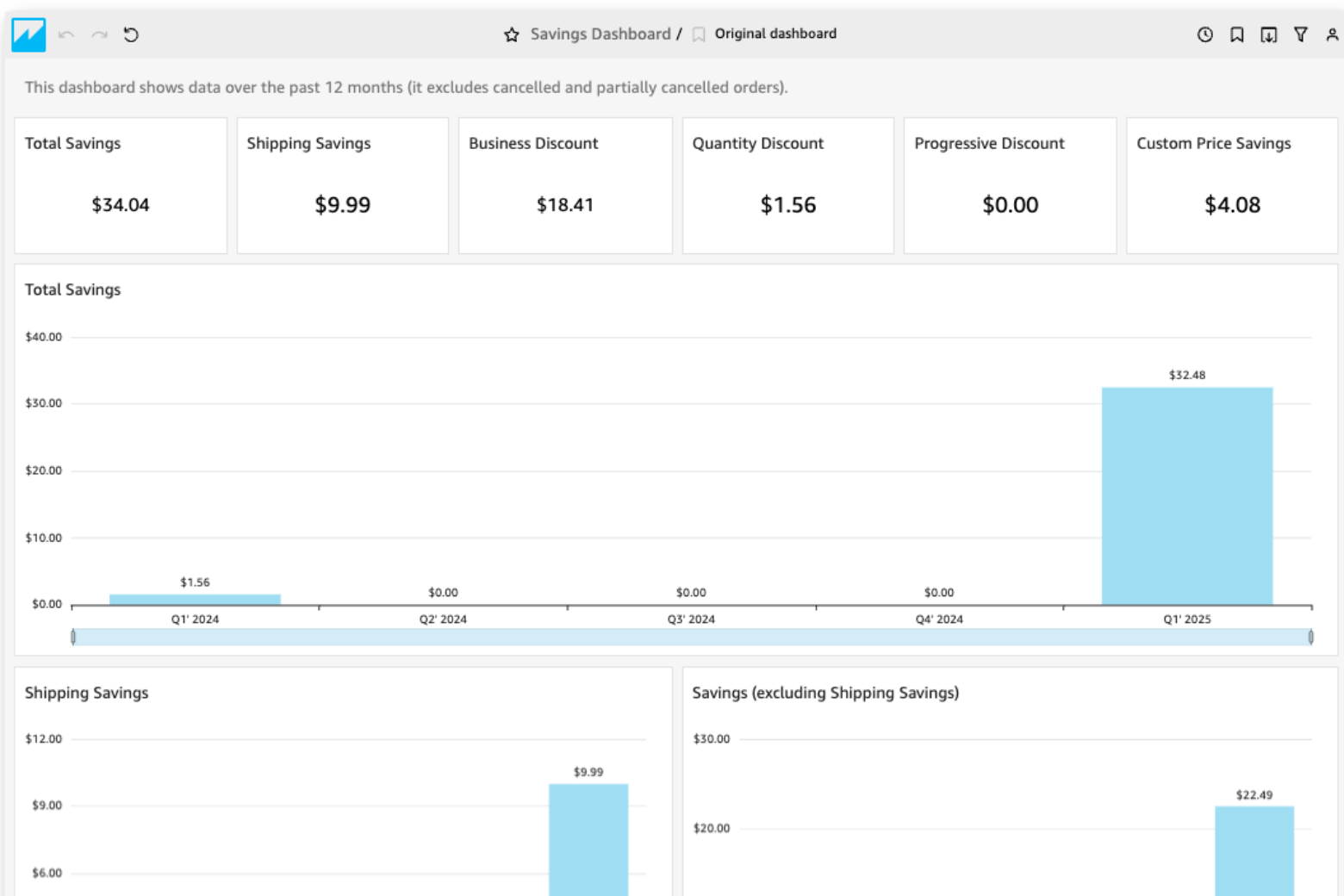
Spend analysis capabilities help you turn raw purchasing data into actionable insight.
Key elements:
Automated data ingestion from ERP, P2P, and sourcing tools
Classification of spend by category, supplier, cost center, and other dimensions that matter to your organization
Dashboards and self-service analytics that let you drill into trends, maverick spend, and savings opportunities
Benchmarking and scenario modeling to support category strategies and negotiations
These features help you answer questions from finance and leadership quickly, back up your strategies with data, and proactively identify where to consolidate spend or renegotiate terms.
4. Approval workflows and guided buying
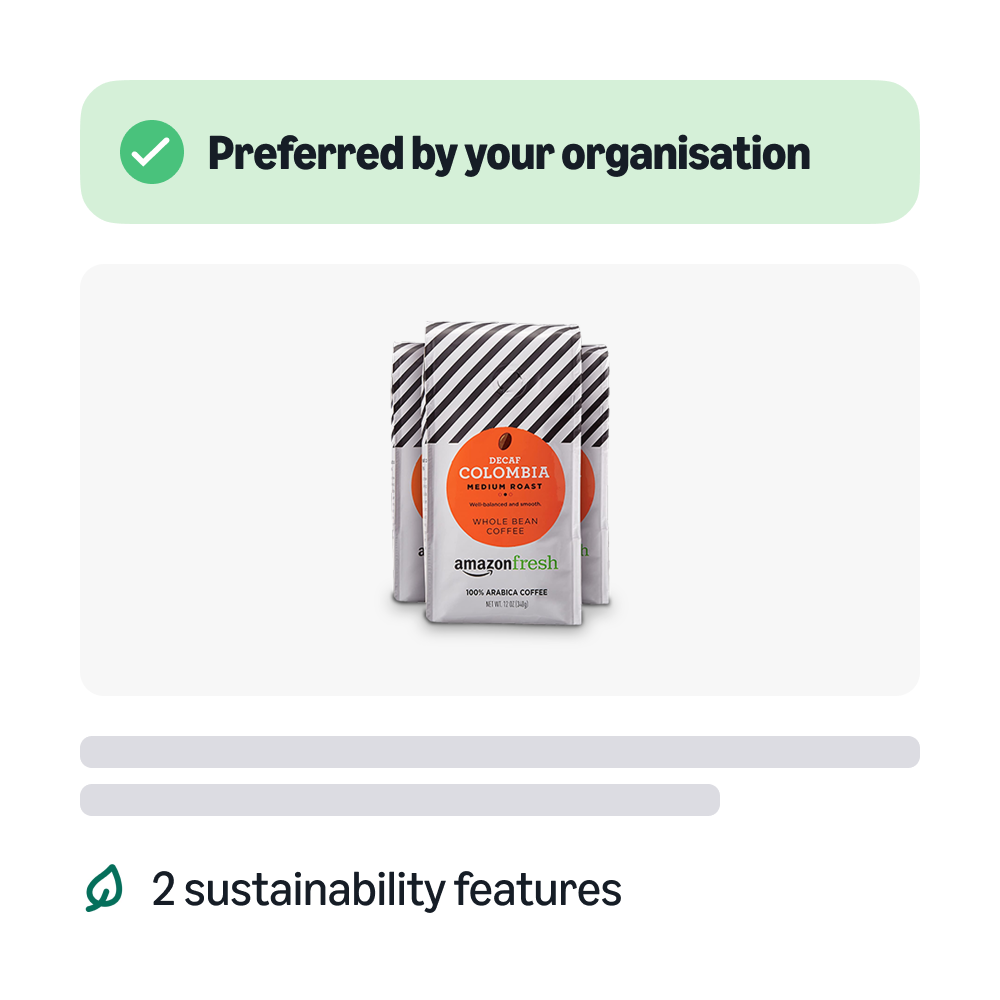
Approval workflows and guided buying experiences are where strategy meets day-to-day reality. Instead of enforcing rules after the fact, strategic sourcing platforms help you build them into how people purchase
Key elements:
Configurable approval rules based on spend thresholds, categories, risk, and cost centers
Policy-based routing that automatically sends requests to the right approvers or escalates when needed
Guided buying interfaces that make preferred suppliers, catalogs, and contracts easy to find and select
Real-time budget and policy checks that flag exceptions before your teams places orders
Deloitte’s 2025 Global CPO Survey found that the combination of generative AI and buying guidance is the third largest value driver for procurement and sourcing teams.
5. Automation across sourcing workflows
Many of these features are AI-powered or use automation to help procurement teams reduce manual effort and keep sourcing activities moving without constant follow-up. But AI and automation features can make such a huge impact on streamlining the purchasing process that they deserve special attention.
Instead of relying on email reminders, spreadsheets, or one-off approvals, strategic sourcing software can automate routine tasks and optimize workflows end to end.
Key elements:
Automated RFx workflows that support RFIs, RFQs, and RFP processes, guiding teams through sourcing events, supplier invitations, scoring, and award recommendations
Rules-based approvals that trigger automatically based on spend thresholds, categories, or risk criteria
Task and milestone automation to assign owners, send reminders, and escalate delays during sourcing and contracting cycles
Data-driven recommendations that surface preferred suppliers, comparable items, or consolidation opportunities based on historical spend
Exception handling and alerts that flag off-policy activity, stalled approvals, or unusual purchasing patterns in real time
By automating repetitive steps, you can shorten procurement cycles and reduce errors while staying aligned with policy. Just as importantly, automation helps you free up capacity for higher-value work—like category strategy, supplier collaboration, and stakeholder engagement—without slowing down the procurement process.
Strategic sourcing platform benefits
When you implement a strategic sourcing platform thoughtfully, the benefits show up across cost, process, and risk. Just as importantly, you’re able to demonstrate procurement’s strategic impact in terms that matter to your executives. Here’s what that can look like:
Cost savings and value creation
By consolidating spend, surfacing off-contract purchases, and equipping category managers with better data, you can negotiate more effectively and direct more spend to preferred suppliers.
Over time, this often leads to lower unit costs, reduced freight charges, and fewer rush orders. You’ll also gain leverage to work with suppliers on value-added initiatives, like innovation projects or joint SRP efforts.
Process efficiency and cycle time reduction
Automated workflows and guided buying reduce necessary manual work across the procure-to-pay process. Requisition approvals that once took days of email back-and-forth can move in hours when you route them automatically with clear thresholds and responsibilities.
This means your team will spend less time chasing status updates and re-entering data and more time on activities like supplier strategy and stakeholder alignment.
Improved compliance and reduced risk
When you build preferred suppliers, negotiated catalogs, and standard contracts into how people buy, compliance improves as a natural result. That means you’ll also be able to reduce maverick spend, ensure that purchases align with policy, and more easily demonstrate adherence to internal controls or regulatory requirements during audits.
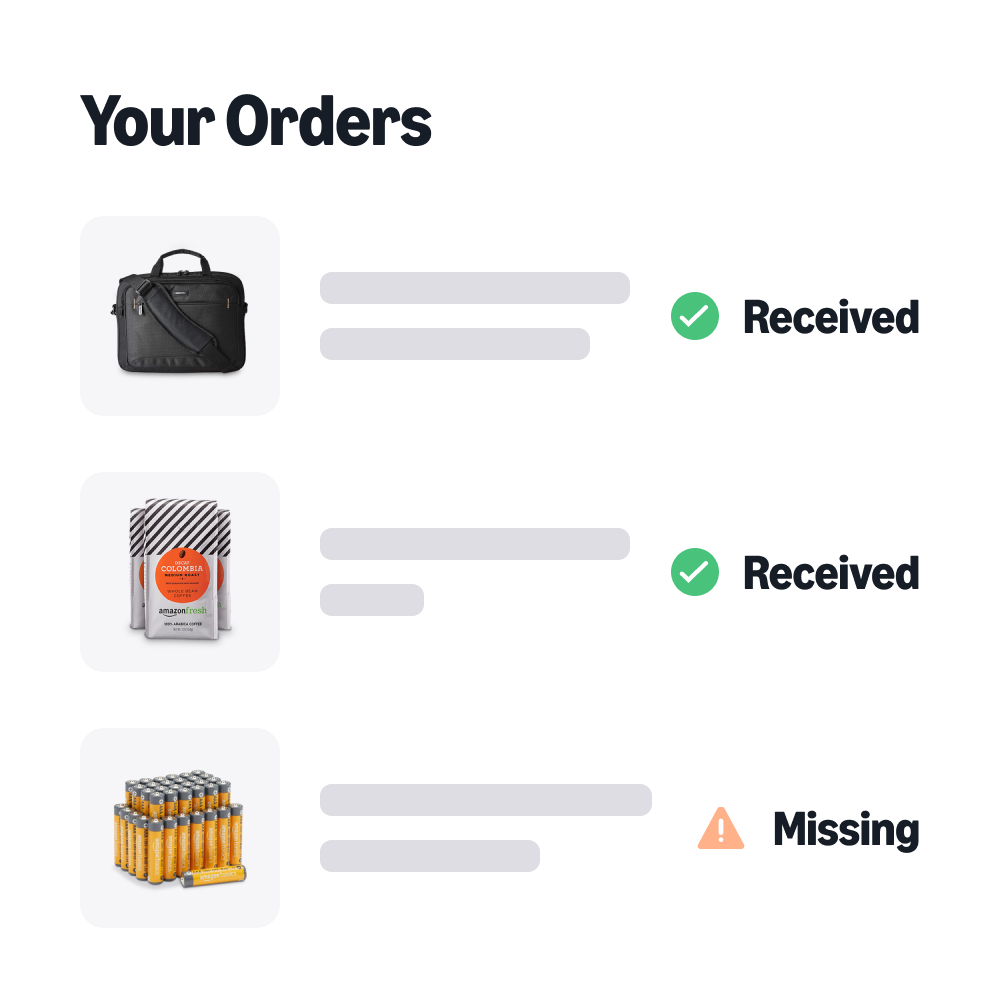
Together, these capabilities support stronger risk management by making purchasing activity easier to monitor, audit, and control.
Better visibility and decision-making
When you embed spend analysis and reporting into your strategic sourcing platform, you’ll no longer need to assemble one-off reports every time leadership asks where money is going. Instead, you can provide consistent, up-to-date views of spend by category, supplier, business unit, or region and use those insights to guide budgeting, forecasting, and sourcing initiatives.
Increased adoption through familiar buying experiences
Modern platforms are increasingly embedding strategic sourcing capabilities into familiar buying experiences to make compliance the easy choice.
For example, Amazon Business offers smart business buying tools that let you configure approval workflows, budgets, preferred products, and supplier policies within a shopping experience that feels familiar to your buyers. And with more than 300 e-procurement, expense management, idP, and e-sourcing systems integrations, you can build a seamless purchasing experience without sacrificing reliable delivery or unmatched selection. This helps you maintain control over who can buy what and under which conditions, while end users still enjoy a simple, intuitive way to fulfill their business buying needs.
How to choose a strategic sourcing platform
Selecting a strategic sourcing platform is a long-term decision that affects how your organization buys for years. Essentially, you’re choosing a partner and an approach to how procurement will operate for your organization.
The best way to narrow down your choices is to balance your current pain points with where you expect your organization to be in three to five years. That means assessing functionality, adoption, integration, and vendor support as a connected set of criteria rather than in isolation.
Here’s a checklist to help you get started:
Assess ease of use and adoption
Even the most powerful platform delivers limited value if your buyers and stakeholders don’t use it. That’s why, when you assess a platform’s usability, you should consider these factors:
How intuitive and user-friendly the interface is for casual users like requesters and approvers
Whether guided buying feels similar to the consumer shopping experiences your buyers already know
How much training is necessary for procurement analysts and category managers
Mobile accessibility and support for distributed or frontline teams
Pro tip: Ask to see real-life user journeys during demos, not just administrative dashboards. You want a platform that fits into how people already work, not a system that forces them into entirely new behaviors.
Check integration flexibility
Your strategic sourcing platform should fit into your broader procurement ecosystem and connect sourcing, finance, ERP, and supplier data without creating silos. Here are some key questions to ask when ensuring that an option offers the right integrations:
Does the platform have pre-built connectors for your ERPs and P2P systems?
How does the platform handle single sign-on and user provisioning?
Are APIs available and well-documented for building custom integrations?
How does data flow between systems and how often does it update?
Consider reporting, analytics, and data quality
Since one of your goals is likely better spend visibility, you’ll want to understand how the platform handles data. Here are some aspects to consider here:
How the platform classifies and enriches spend data (such as using UNSPSC or custom taxonomies)
Whether dashboards are configurable for different stakeholders
How easy it is to build ad hoc reports without relying on IT
What data governance options exist to control who sees what information
Pro tip: Look for solutions that make it easy to get from high-level views (like total spend by category) to transaction-level detail in a few clicks. That flexibility is critical when you’re responding to leadership questions or building category strategies.
Calculate total cost of ownership
License fees are only part of the picture. To understand total cost of ownership, you should factor in these considerations as well:
Implementation and integration service costs, whether from the vendor or a partner
Necessary internal resources to configure, roll out, and maintain the system
Training costs and the learning curve for different user groups
Future costs for additional modules, users, or regions as you scale
Comparing platforms based on the total cost of ownership helps you avoid surprises and evaluate your ROI more realistically, especially when you’re building a business case with finance.
Look for provider partnership and support
Finally, consider how well each provider can support you throughout implementation and beyond. Here are some helpful indicators:
The availability of guidance, like implementation playbooks, best practices, and industry benchmarks
Customer success resources that are applicable to your account and region
Training resources and documentation for ongoing enablement
The provider’s roadmap and how often they release meaningful enhancements
As you compare platforms, you’ll likely see similar feature checklists. The differentiators often show up in how the platforms deliver those capabilities, how well they fit your environment, and the ongoing support a provider offers.
A strong partner helps you adapt the platform as your organization evolves. That support can be the difference between a system that’s technically “in place” and a platform that truly transforms how you source and buy.
Put strategic sourcing into action with Amazon Business
Implementing a strategic sourcing platform is ultimately about giving you better control over spend while making purchasing easier for your organization. By focusing on usability, integration, and the right mix of capabilities, you can build a sourcing environment that scales with your growth and supports your procurement team’s shift from tactical firefighting to strategic impact.
If you’re exploring ways to combine strategic controls with a familiar buying experience, take a look at how Amazon Business approaches streamlined purchasing:
Guided Buying helps your teams stick to buying policies, regulatory requirements, and organizational goals without added effort.
Custom approval workflows help you keep purchases moving and within your buying policies.
3-Way Match helps you document, organize, and reconcile purchase order data so nothing slips through the cracks.
Amazon Business Analytics gives you a birds’ eye view of historical purchasing data and spend forecasts.
Spend Anomaly Monitoring flags irregular purchases in real time.
Ready to get started? Contact sales today to learn more about how Amazon Business can support your procurement strategy.
Get started today
FAQs
Was this helpful?




 United States
 India
India United Kingdom
 France
 Germany
 Spain
Spain Italy
Italy Canada
 Japan
Japan Mexico
 Australia


